Distance and Measurement Sensors
SICK LFV200-XXTGBTPV Sensor
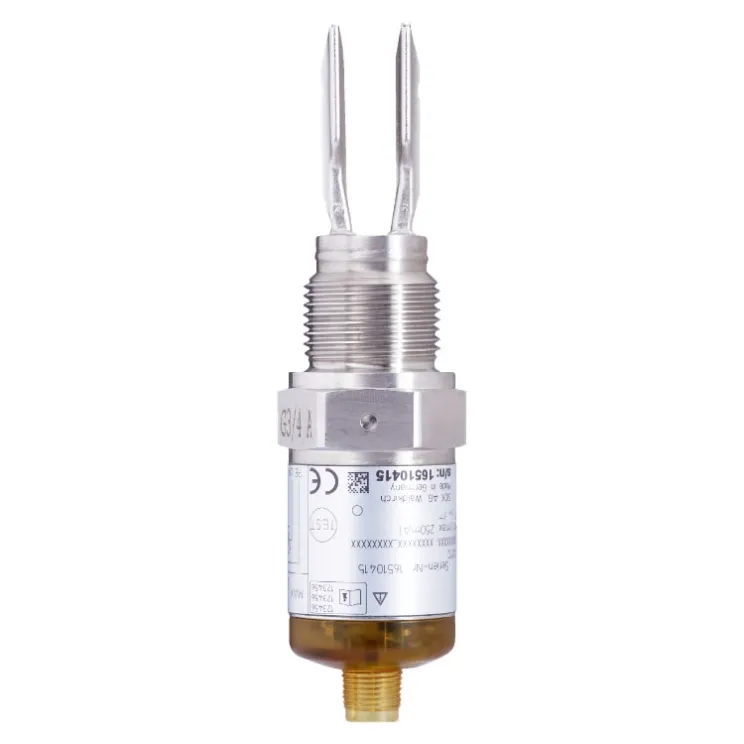
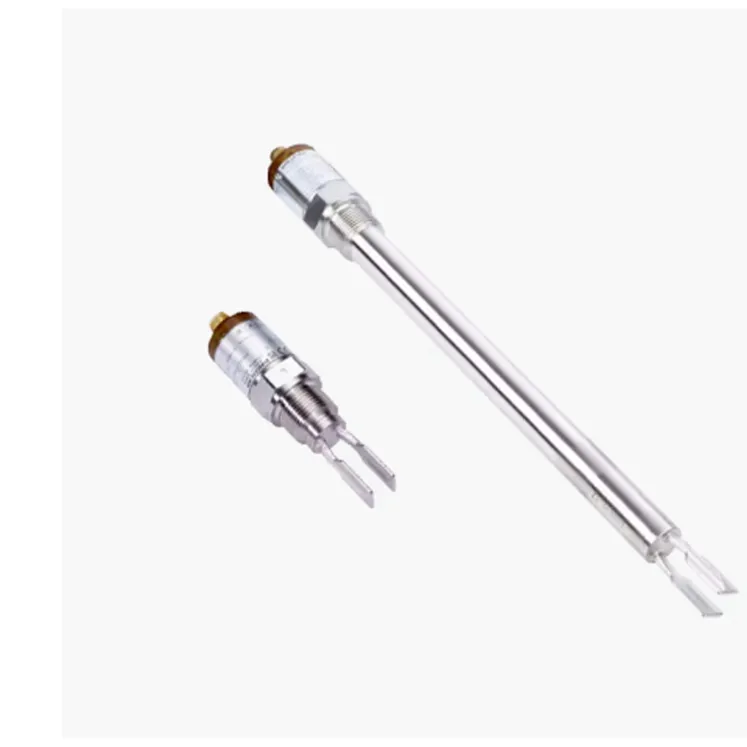
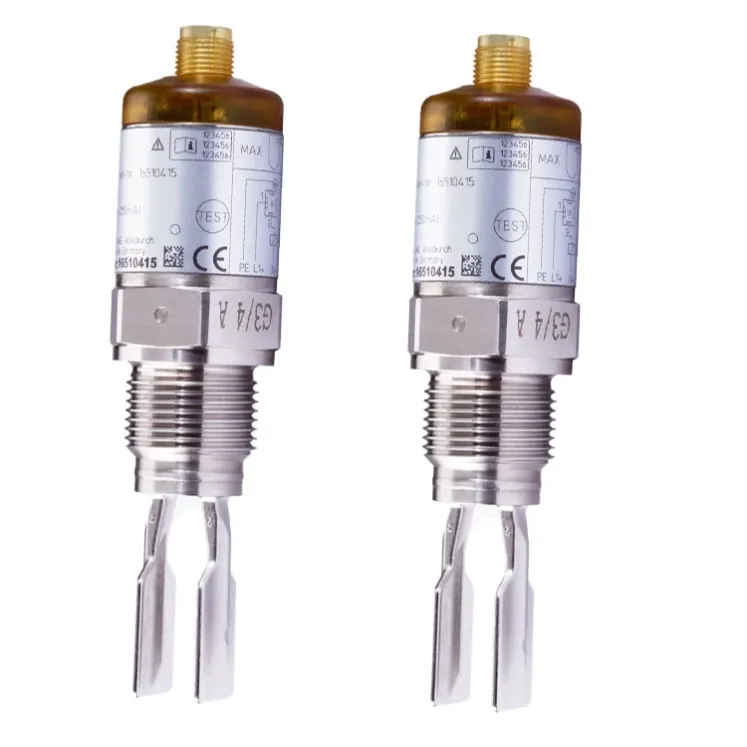
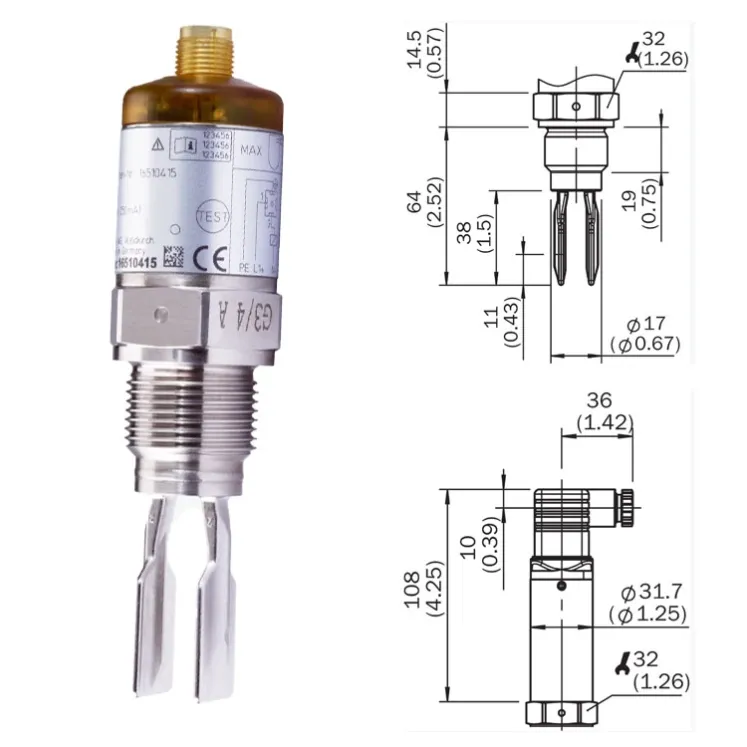
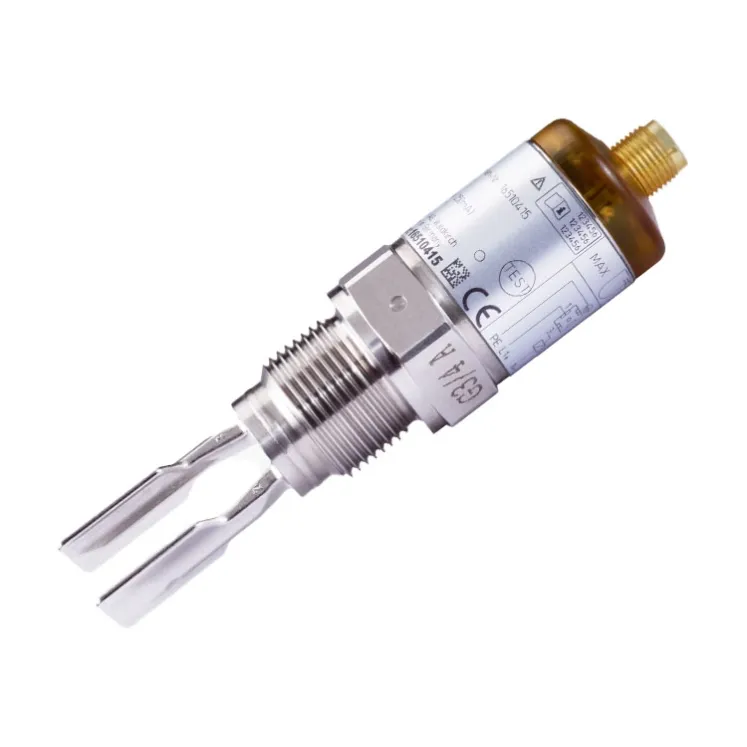
SICK LFV200-XXTGBTPV vibrating level switch, part 6040915. Point-level detection for liquids with stainless probe and PNP output.
Overview
The SICK LFV200-XXTGBTPV (part number 6040915) is a vibrating level switch from the LFV200 family, configured for liquid point-level detection. It provides dependable overfill and dry-run protection with a stainless probe and a switching output for direct integration into machine controls.
How It Works
The tuning fork vibrates at resonance in air. Immersion in liquid damps the vibration and shifts the frequency, which the electronics convert into a switching signal. The measurement depends on the medium's density influence on the fork, not on its optical or electrical properties.
Key Features
- Point-level detection for liquids via vibrating fork
- Reliable switching independent of liquid properties
- Part number 6040915
- Stainless steel construction for process service
- Largely immune to deposit formation
- No calibration required on site
Typical Applications
- Overfill prevention on process and storage tanks
- Pump dry-run protection
- Level switches in lubrication and hydraulic systems
- Point monitoring in cleaning and dosing systems
- High and low level alarms in collection tanks
Specifications
Attribute | Value |
|---|---|
Model | SICK LFV200-XXTGBTPV |
Part number | 6040915 |
Detection principle | Vibrating fork point-level switch |
Family | LFV200 level switches |
Output type | PNP switching output |
Installation and Setup Notes
Mount the switch so the fork sits at the required switching level and is not disturbed by filling streams or agitators. The device switches as delivered; simply confirm behavior with the medium. For hot or viscous media, respect the family process limits stated in the datasheet.
Frequently Asked Questions
What is the difference from the XXSGBTPM variant?
They are family variants differing in probe length and process connection; both work on the same vibrating fork principle.
Can it be used outdoors?
Yes, with appropriate protection of the electrical connection against the weather.
Does it work in turbulent filling?
Position the switch away from the direct fill stream for a stable switching point.