Identification Systems
SICK KTM-LN227A1P Sensor
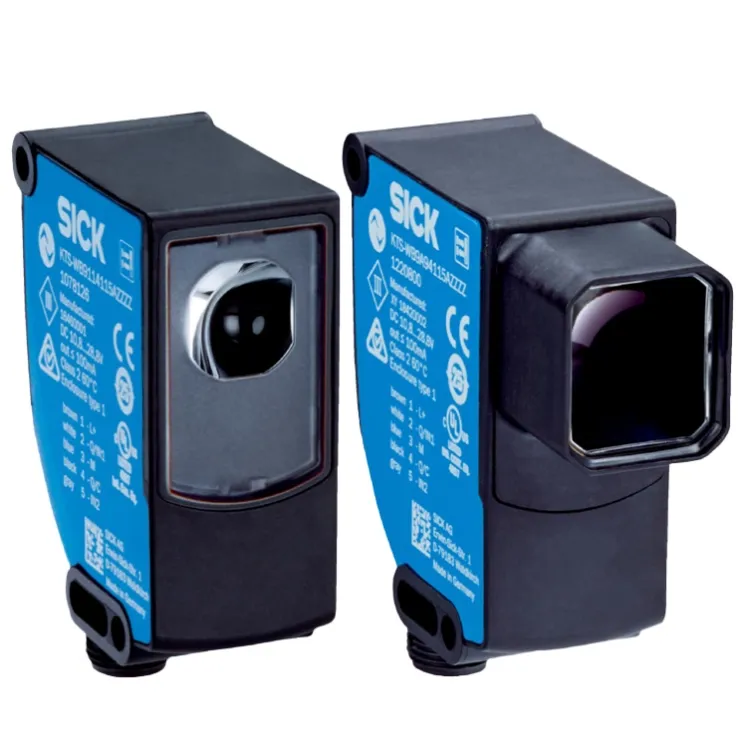
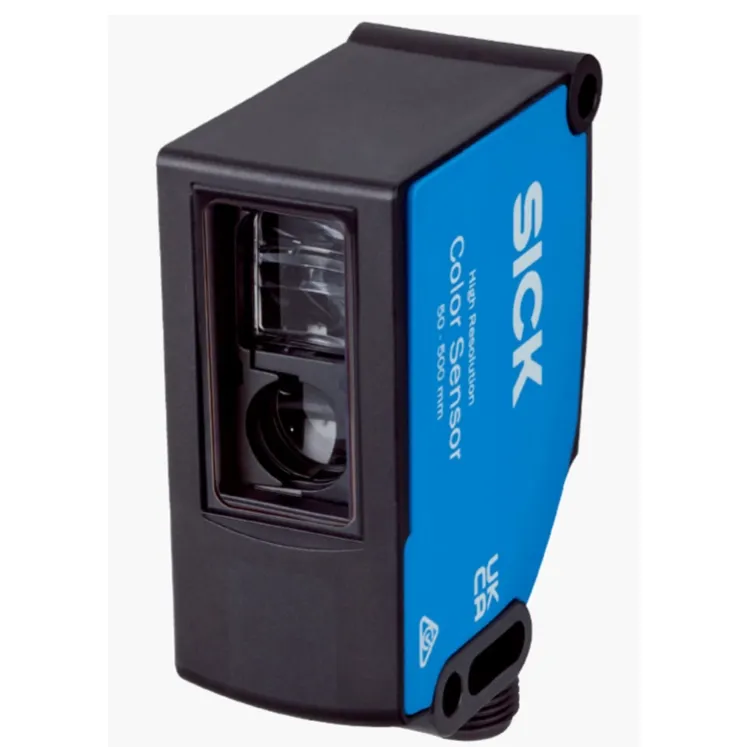
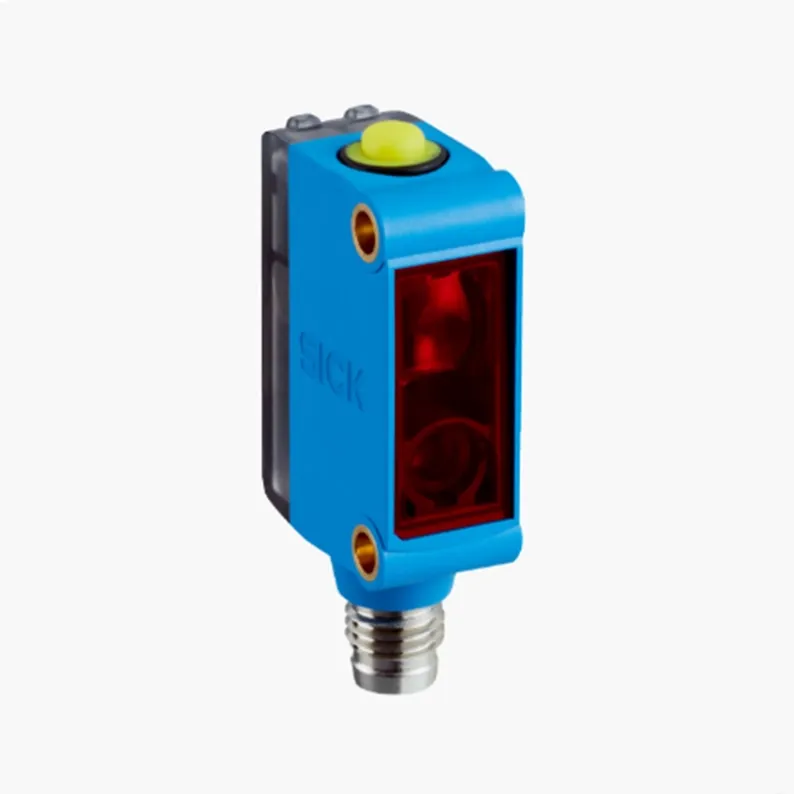
SICK KTM-LN227A1P contrast sensor, part 1105915. Print mark detection with selectable light colors for packaging registration control.
Overview
The SICK KTM-LN227A1P (part number 1105915) is a contrast sensor of the KTM family. It detects print marks and contrast differences on packaging webs with fine color discrimination, providing registration control signals for packaging machines, printing equipment and labeling systems.
How It Works
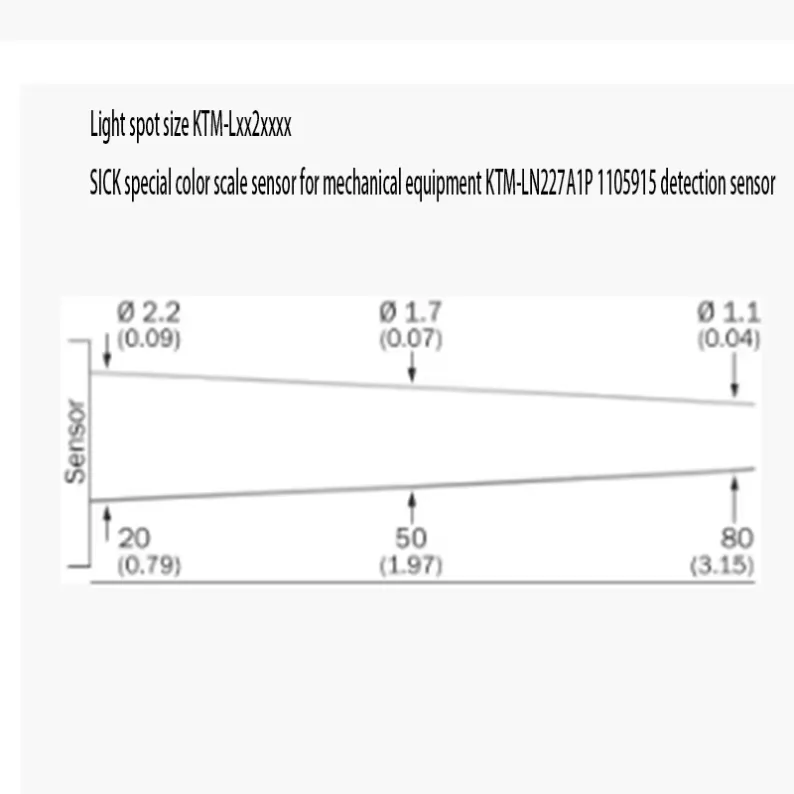
A focused light spot scans the moving web, and the sensor measures the intensity of the reflected light in selectable light colors. When the measured value crosses the taught threshold between mark and background, the output switches, giving the machine a precise registration pulse.
Key Features
- Contrast detection for print mark registration
- Part number 1105915
- Selection of light colors for optimal mark contrast
- Fast response for high-speed webs
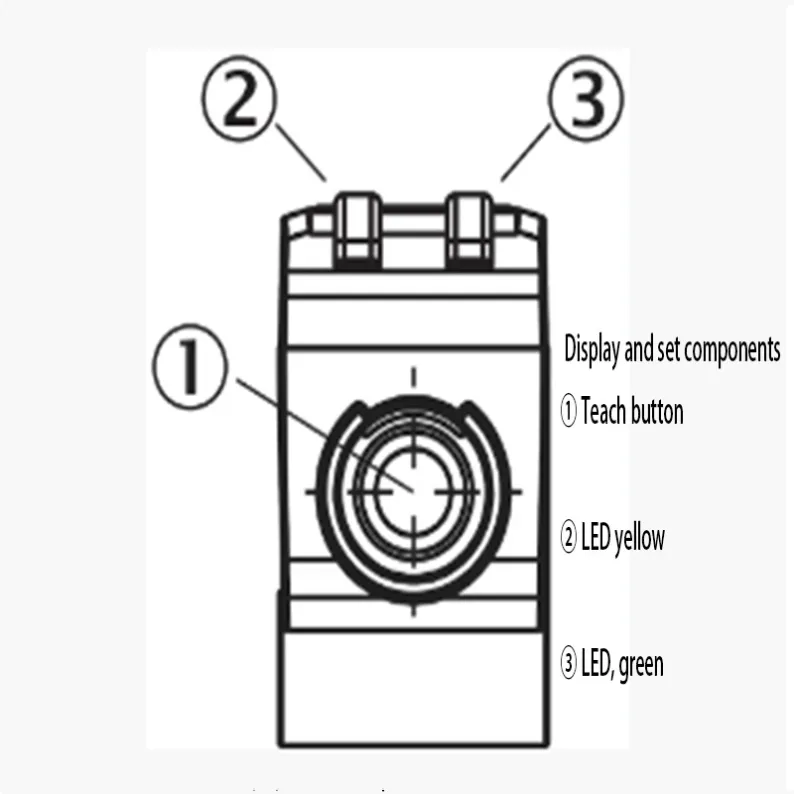
- Simple teach-in on the actual mark and background
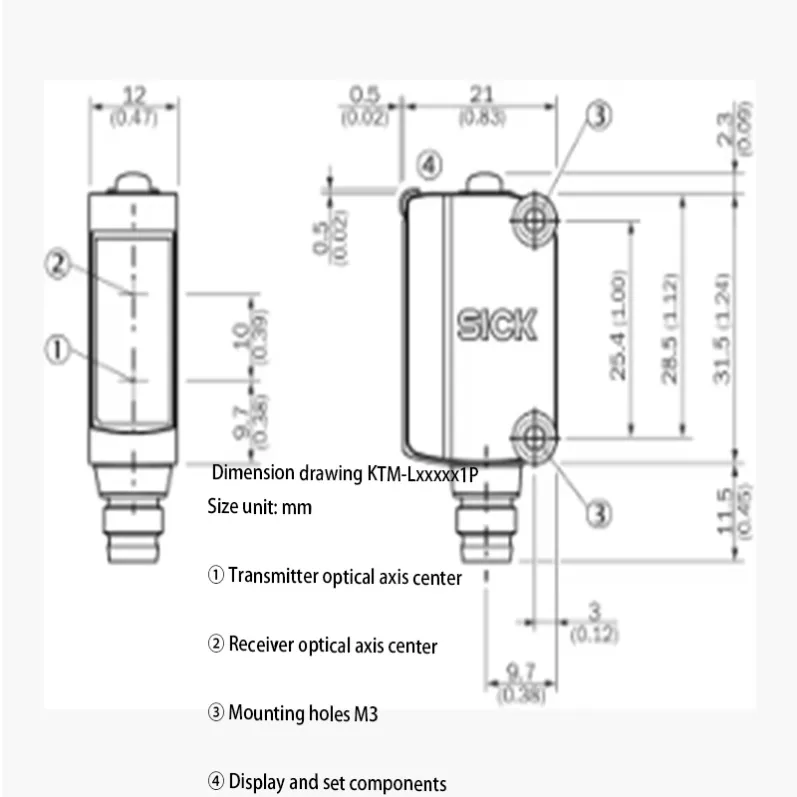
- Compact housing for tight machine integration
Typical Applications
- Print mark detection on packaging films
- Registration control on printing presses
- Label position control on labeling machines
- Cutting position synchronization on converting lines
- Mark detection on cartons and blister foils
Specifications
Attribute | Value |
|---|---|
Model | SICK KTM-LN227A1P |
Part number | 1105915 |
Device type | Contrast sensor |
Family | KTM contrast sensors |
Installation and Setup Notes
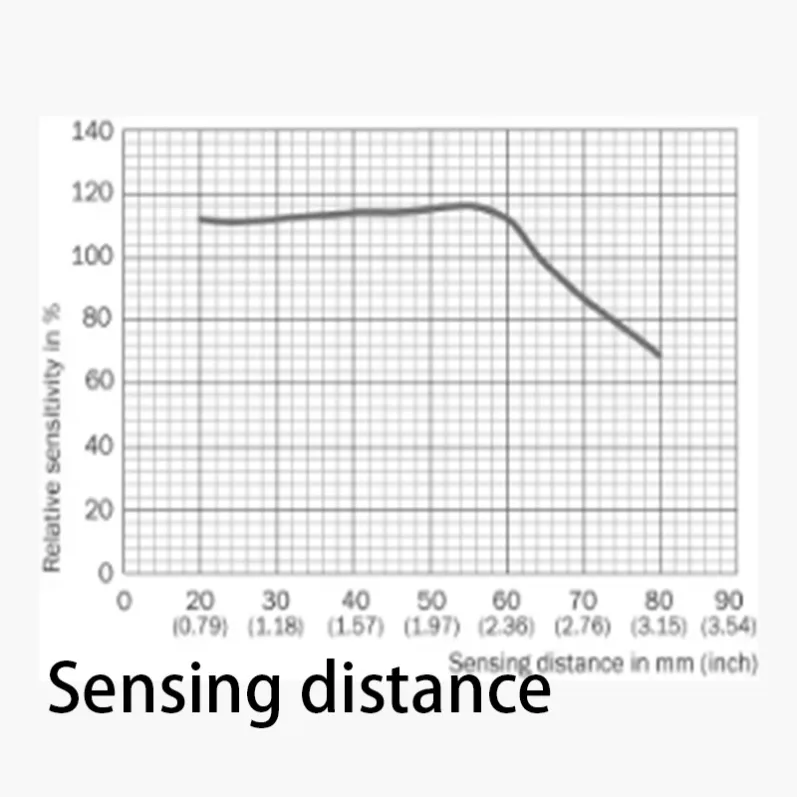
Mount the sensor at the rated distance and choose the light color with the best contrast between mark and background, then teach both surfaces. Verify the switching point across the web width and check stability at production speed. Clean the optical face regularly in printing environments.
Frequently Asked Questions
Why multiple light colors?
Different mark and background combinations achieve their best contrast under different light colors, especially with colored packaging.
Can it detect low-contrast marks?
Yes, with suitable light color selection and teach-in; extremely low contrast should be validated on the real web.
How fast can it switch?
The family is designed for high-speed registration, keeping switching delays minimal.