
Photoelectric Sensors
SICK LL3-TB01 Sensor
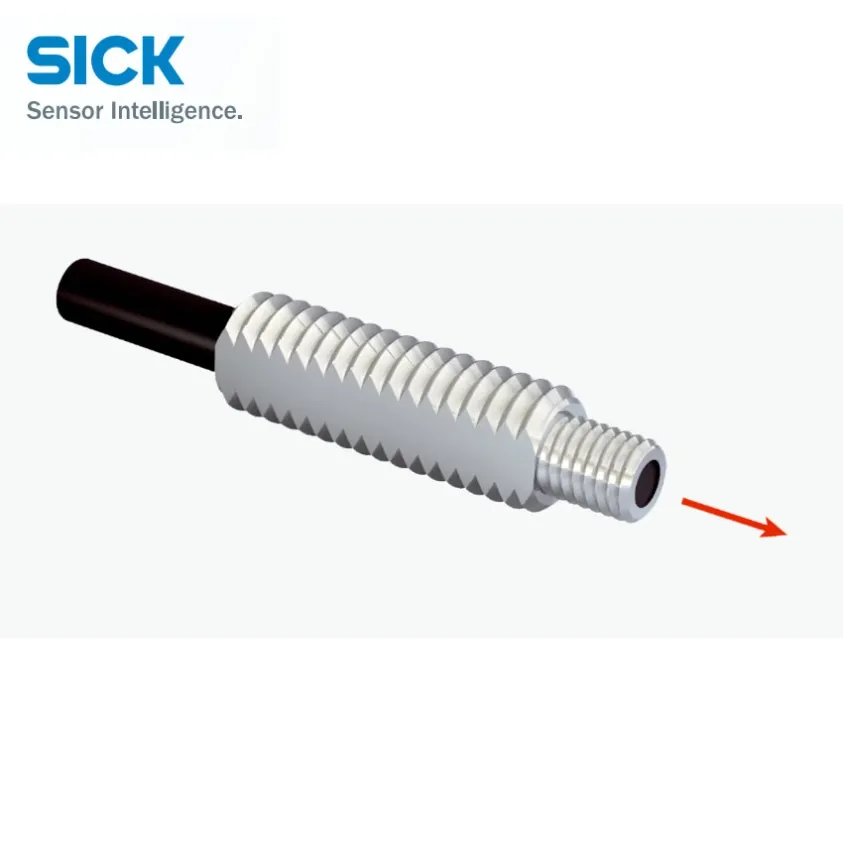
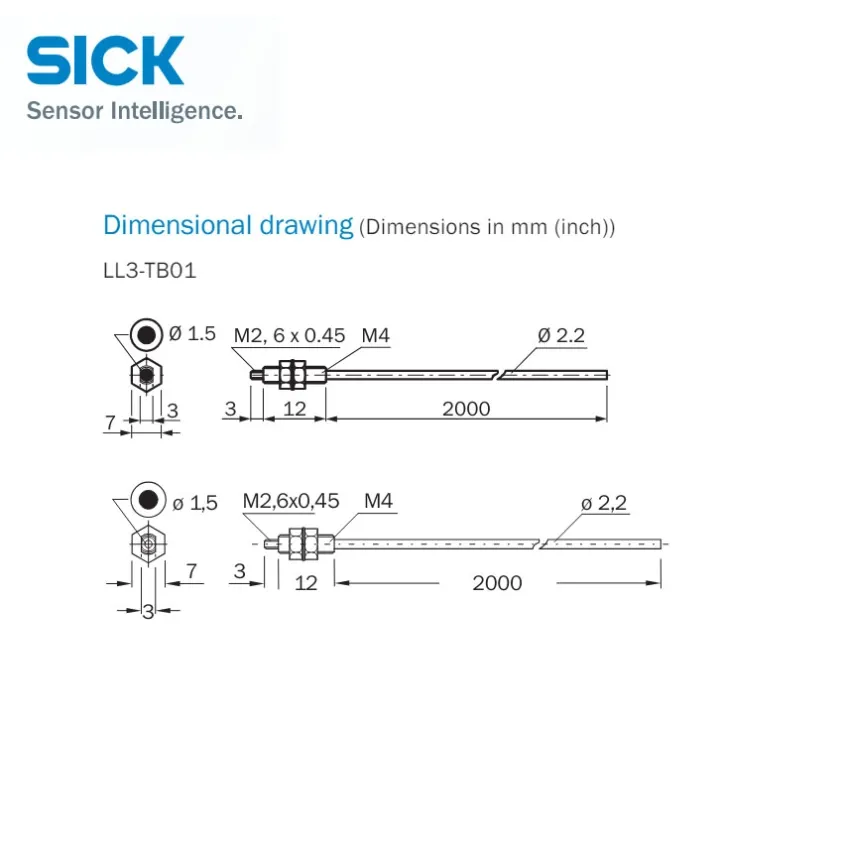
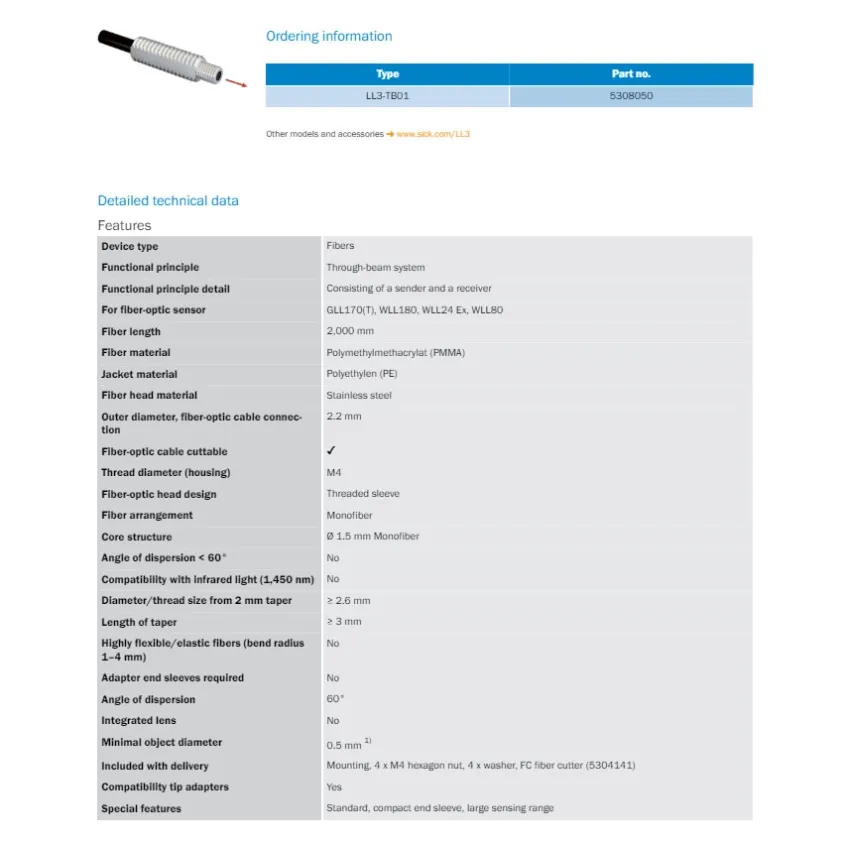
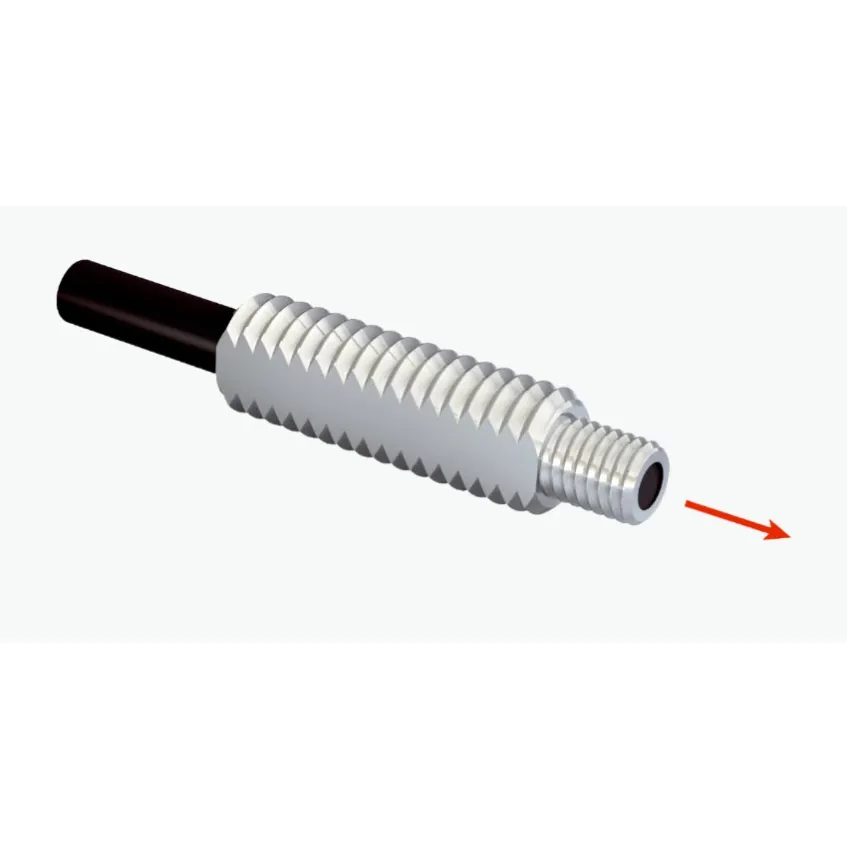
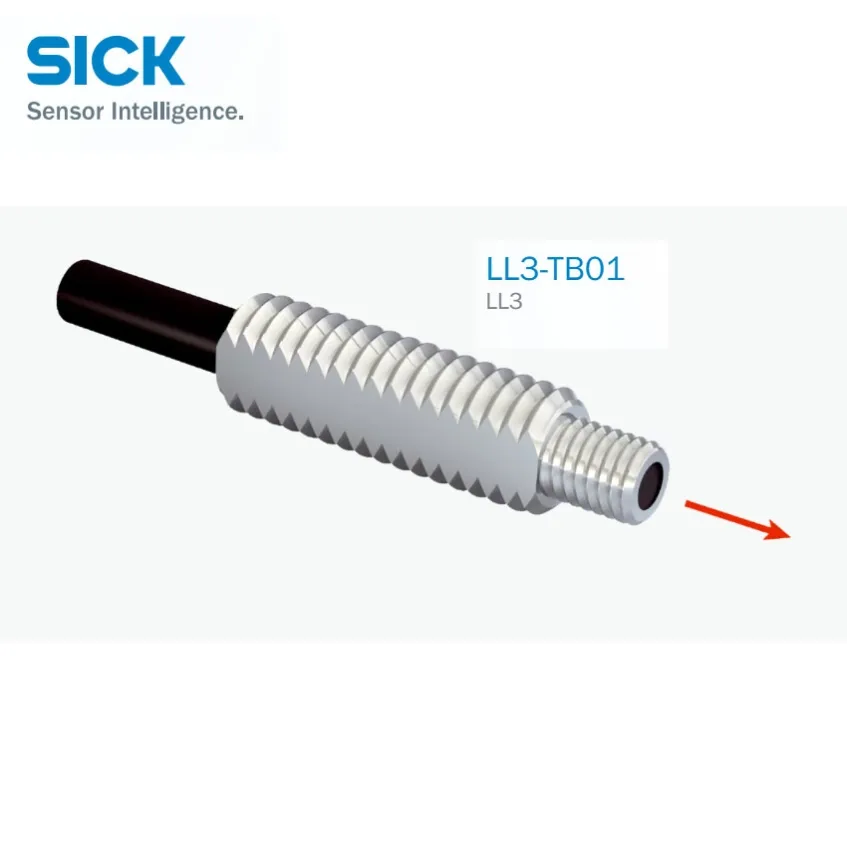
SICK LL3-TB01 through-beam fiber-optic cable, part 5308050. Flexible fiber pair for use with WLL180T amplifier in narrow machine sections.
Overview
The SICK LL3-TB01 (part number 5308050) is a through-beam fiber-optic cable of the LL3 series. It is used together with a fiber-optic amplifier such as the WLL180T: the sending fiber projects light across to the receiving fiber, and any object between the two tips interrupts the detection path.
How It Works
The through-beam fiber splits into a sender and a receiver leg. The amplifier feeds light into the sender leg, the light crosses the gap at the probe tips, and the receiver leg carries the returning light to the amplifier's detector. An object entering the gap reduces the received light and the amplifier output switches.
Key Features
- Through-beam fiber pair for highest detection reliability
- Flexible glass fiber reaches into narrow machine sections
- Insensitive to EMC and vibration along the fiber path
- Compatible with WLL180-series amplifiers
- Part number 5308050
- Small probe tips for tiny detection zones
Typical Applications
- Small-part detection between assembly head components
- Wire and cable break monitoring on winding equipment
- Presence checks in narrow slots and guide channels
- Detection of fine objects on miniature conveyors
- Monitoring of pin and spring presence in fixtures
Specifications
Attribute | Value |
|---|---|
Model | SICK LL3-TB01 |
Part number | 5308050 |
Fiber type | Through-beam (TB) fiber-optic cable |
Fiber series | LL3 |
Required accessory | Fiber-optic amplifier, e.g. WLL180T |
Installation and Setup Notes
Route the fiber with a generous bend radius and clamp it so machine vibration cannot rub the sheath. Align the two fiber tips opposite each other at the detection point and fix them firmly; through-beam fibers reward precise tip placement with a strong signal. Cut fibers only with a dedicated fiber cutter to keep the end faces clean.
Frequently Asked Questions
Does the LL3-TB01 work on its own?
No, it must be connected to a fiber-optic amplifier such as the WLL180T, which provides the light source and the switching output.
Why through-beam instead of diffuse fibers?
Through-beam arrangements offer the highest optical margin and detect objects regardless of their reflectivity.
Can the fiber be shortened?
Yes, with a clean cut using a fiber cutting tool; inspect the tip to confirm a smooth end face.
Related Photoelectric Sensors
For the matching amplifier, see the SICK WLL180T-L432. For fork-style fiber detection, see the SICK UFN3-70B413.