Distance and Measurement Sensors
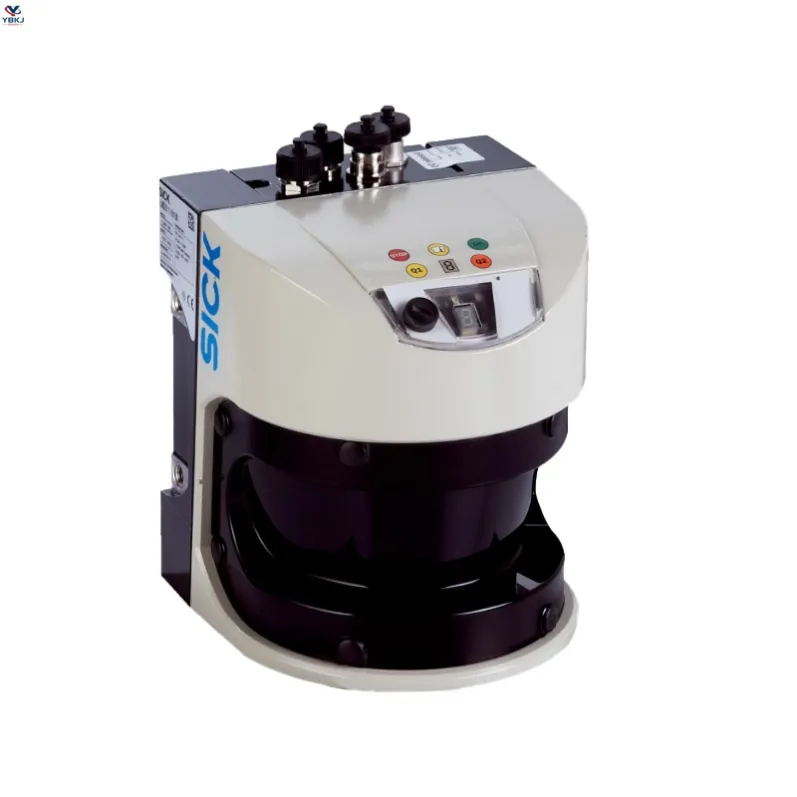
SICK LMS511-22100 Sensor
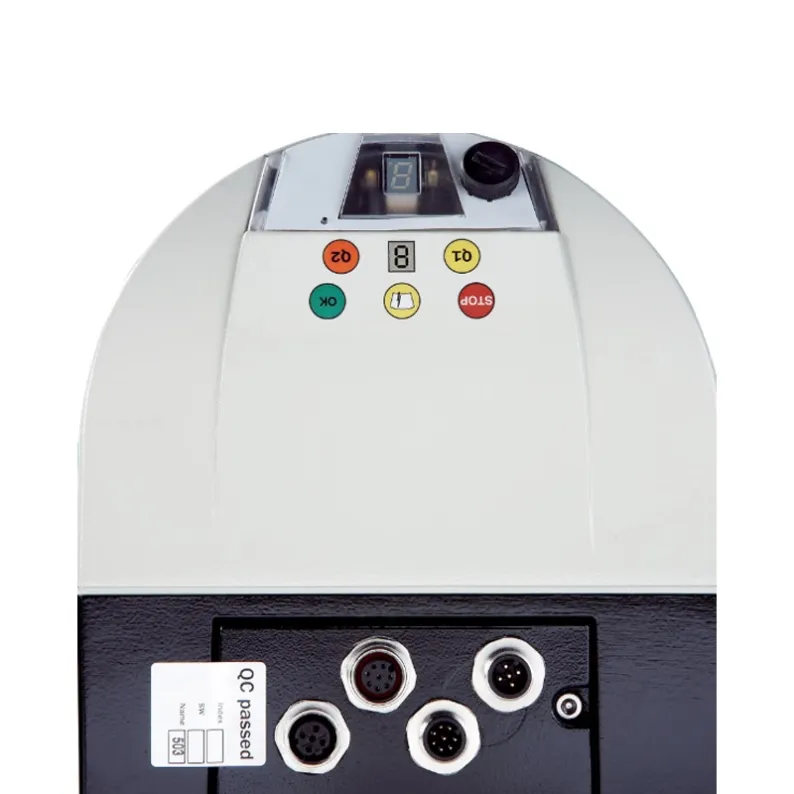
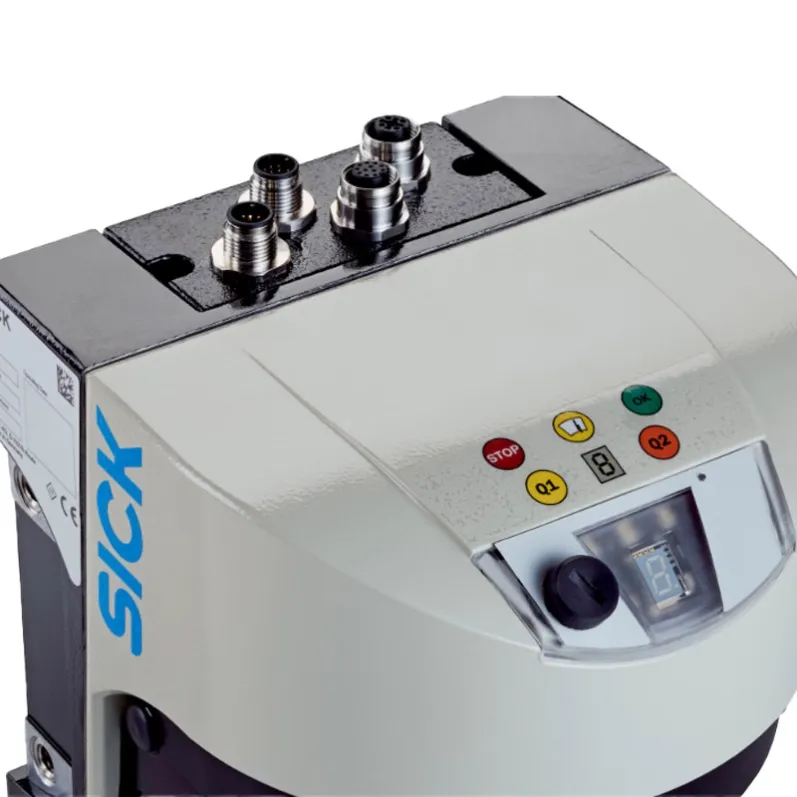
SICK LMS511-22100 outdoor 2D LiDAR sensor, part 1071996. Long-range scanning with configurable fields for ports and heavy machinery.
Overview
The SICK LMS511-22100 (part number 1071996) is an outdoor 2D LiDAR sensor of the LMS511 PRO family. It scans the environment with long range and fine angular resolution, providing object detection and area monitoring for cranes, mobile equipment and outdoor infrastructure.
How It Works
Laser pulses are deflected across the scanning plane by a rotating mirror. Time-of-flight measurement produces a distance profile for each scan, and the PRO evaluation turns this profile into configurable field-based switching outputs. The rugged design keeps scanning stable under outdoor conditions.
Key Features
- Outdoor-rated 2D LiDAR with long detection range
- Part number 1071996
- Configurable fields for flexible area monitoring
- High angular resolution for reliable small-object detection
- Rugged, weather-tight housing
- Fast, deterministic scan cycle
Typical Applications
- Anti-collision monitoring on ship-to-shore and gantry cranes
- Vehicle detection on automated transport routes
- Perimeter monitoring of outdoor installations
- Approach detection at loading docks
- Area protection on heavy mobile machines
Specifications
Attribute | Value |
|---|---|
Model | SICK LMS511-22100 |
Part number | 1071996 |
Detection principle | Time-of-flight 2D LiDAR scanning |
Family | LMS511 PRO outdoor LiDAR sensors |
Installation and Setup Notes
Install the sensor with a stable mounting and a clear view of the monitoring plane. Configure the fields according to the application geometry and validate with test targets across the speed range of the process. Clean the scan window regularly in dusty or salty environments such as ports.
Frequently Asked Questions
What is the difference from the LMS511-10100?
The order codes define optics and interface configurations within the same LMS511 PRO family.
Can several sensors be combined?
Yes, multiple scanners can be synchronized to cover wider areas around a machine.
How is the data integrated?
Through the family's digital interfaces for field-based switching and scan data output.